Cosmetic Damage vs. Structural Damage on Stone-Coated Steel Roofing
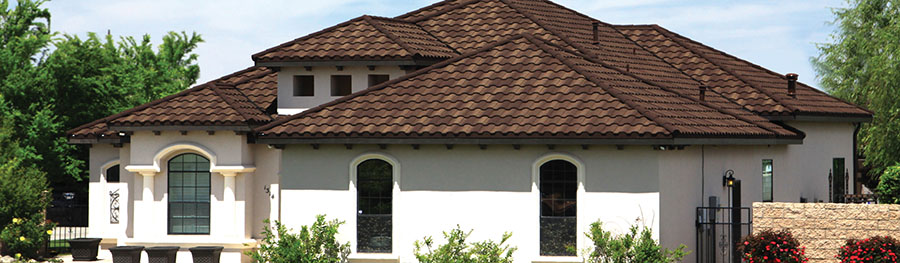
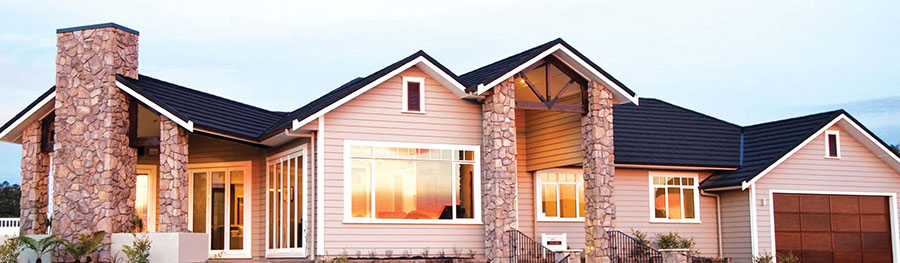
Stone-coated steel roofing is one of the strongest and most durable roofing options available for North Texas homes. It combines the strength of steel with the appearance of tile, shake, or shingle-style roofing, making it a popular choice for homeowners who want long-term performance without giving up curb appeal.
But after a hailstorm, wind event, falling debris, or years of exposure to Texas weather, homeowners often ask an important question:
Is the damage cosmetic, or is it something more serious?
That distinction matters. Cosmetic damage may affect how the roof looks. Structural or functional damage may affect how the roof performs, how it sheds water, how it resists future storms, or whether the underlying roof system has been compromised.
For homeowners with stone-coated steel roofing, including older Gerard-style systems, understanding the difference can help you make better decisions about inspections, repairs, insurance conversations, and replacement options.
What Is Cosmetic Damage?
Cosmetic damage is damage that changes the appearance of the roof but does not appear to affect the roof’s ability to protect the home.
On a stone-coated steel roof, cosmetic damage may include:
- Minor dents or dimples in the panels
- Small surface marks from hail
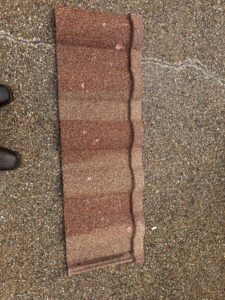
- Light scuffing in the stone coating
- Slight discoloration or visible impact marks
- Minor granule disturbance that does not expose or compromise the metal panel
- Small aesthetic imperfections that do not affect water shedding

Cosmetic damage can still be frustrating for a homeowner, especially on a premium roofing system. A roof is a major part of the home’s appearance, and visible damage can affect curb appeal.
However, cosmetic damage does not automatically mean the roof has failed.
The key question is whether the panel, coating, fasteners, flashing, seams, interlocks, underlayment, decking, or other parts of the roofing system have been affected.
What Is Functional or Structural Damage?
When people say “structural damage” after a storm, they may be referring to a few different things. In roofing, it helps to separate the issue into two categories:
Functional damage means the roof covering or roof system may no longer perform as intended.
Structural damage means the supporting structure beneath the roof may be affected, such as decking, framing, rafters, or other load-bearing components.
On a stone-coated steel roof, functional or structural concerns may include:
- Punctures or tears in the metal panels
- Cracks, splits, or openings that can allow water intrusion
- Exposed steel where the protective surface has been compromised
- Distorted panels that no longer interlock correctly
- Lifted, shifted, or loosened panels
- Damaged fasteners or fastening points
- Bent or displaced flashing
- Damage around vents, chimneys, skylights, valleys, or roof penetrations
- Evidence of leaks inside the attic or home
- Soft, rotted, or compromised roof decking
- Storm damage that affects the roof’s ability to shed water
This type of damage should be taken seriously. Even if the roof is not leaking today, functional damage can create weak points that may lead to future leaks, moisture problems, or accelerated roof deterioration.
Why Stone-Coated Steel Requires a Trained Inspection
Stone-coated steel roofing is different from standard asphalt shingles. Damage is not always obvious from the ground, and not every dent tells the full story.
A trained inspection should look beyond the surface.
The inspector should evaluate:
- The depth and location of hail impacts
- Whether the stone coating has been removed or weakened
- Whether metal is exposed
- Whether panels are bent, lifted, or separated
- Whether interlocking edges are still properly seated
- Whether flashing and penetrations are secure
- Whether there are signs of water entry
- Whether the roof deck or attic shows signs of moisture
- Whether older panels are still repairable or matchable
This is especially important for older Gerard-style stone-coated steel roofs. Many North Texas homes still have legacy stone-coated steel systems that were installed years ago. In some cases, small repairs may be possible. In other cases, the age of the system, product availability, panel condition, or storm damage may make replacement a better long-term option.
Why Cosmetic Damage Still Deserves Attention
Even when damage appears cosmetic, it is still worth documenting.
Minor dents or surface marks may not require immediate replacement, but they can help establish a record of storm impact. If future problems develop, that documentation may matter.
A roof inspection after a hailstorm can help determine:
- Whether the damage is only visual
- Whether the protective coating has been compromised
- Whether the roof has hidden weak points
- Whether the damage is isolated or widespread
- Whether the roof should be monitored, repaired, or replaced
- Whether an insurance claim should be considered
Homeowners should avoid assuming that a stone-coated steel roof is fine simply because there is no active leak. Many roofing problems begin before water shows up on the ceiling.
What Insurance Companies May Look For
Insurance policies vary, and every claim is different. Some policies may treat certain types of visible damage as cosmetic if the roof is still performing. Other policies may respond differently if the damage affects the function of the roof system.
That is why documentation matters.
A proper inspection should include clear photos, storm-date information when available, notes about the affected slopes, and a description of whether the damage appears cosmetic, functional, or potentially structural.
CMRC does not replace the role of your insurance carrier, adjuster, or policy language. However, we can help homeowners understand what we see on the roof, document visible damage, and explain whether the roof appears to need repair, replacement, or further evaluation.
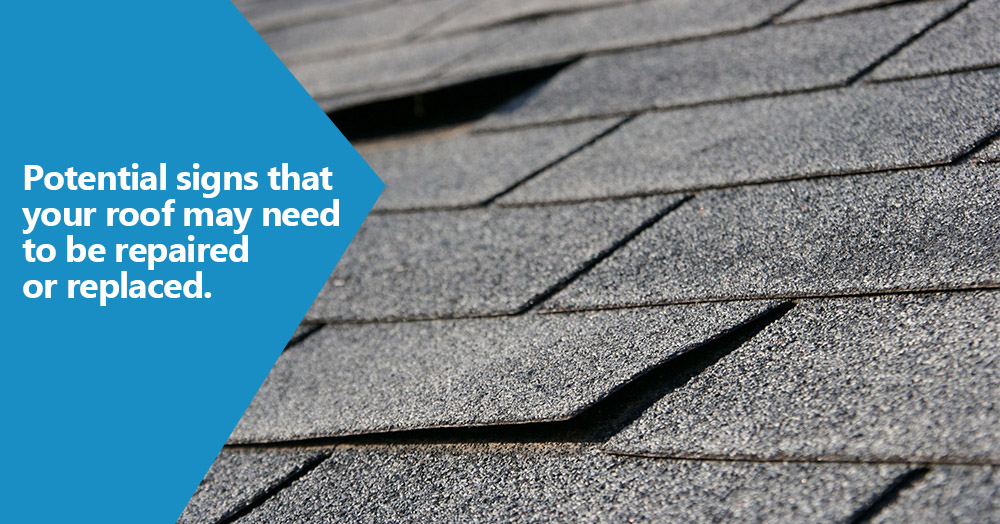
Signs Your Stone-Coated Steel Roof Needs an Inspection
Schedule an inspection if you notice any of the following:
- Hail recently hit your neighborhood
- You see dents or impact marks on the roof
- Granules or stone coating appear to be missing
- Panels look shifted, lifted, or uneven
- Flashing appears bent or loose
- You see water stains inside the home
- Your attic shows signs of moisture
- You have an older Gerard-style stone-coated steel roof
- You are unsure whether the roof can be repaired
- You need help understanding replacement alternatives
North Texas weather can be hard on every roofing system. Hail, heat, wind, and age can all affect how a roof performs over time.
Repair, Replacement, or Replacement Alternative?
Not every damaged stone-coated steel roof needs to be replaced. Some roofs may only need minor repairs, flashing work, panel adjustments, or continued monitoring.
But replacement may be the better option when:
- Damage is widespread
- Panels are no longer sealing or interlocking properly
- Matching replacement panels are difficult to find
- The roof has repeated leak issues
- The protective surface has been compromised across multiple areas
- The system is older and nearing the end of practical service
- A modern stone-coated steel or metal roofing alternative would provide better long-term value
For homeowners with older Gerard-style roofs, CMRC can help evaluate whether repair is realistic or whether a modern stone-coated steel or metal roofing system would be a better fit.
The Bottom Line
Cosmetic damage affects appearance. Functional damage affects performance. Structural damage affects the supporting roof system beneath the surface.
With stone-coated steel roofing, the difference is not always obvious from the ground. A roof may look only slightly dented while hiding damage around seams, fasteners, flashing, penetrations, or panel edges. On the other hand, some visible marks may be mostly cosmetic and not require immediate replacement.
The safest first step is a professional inspection.
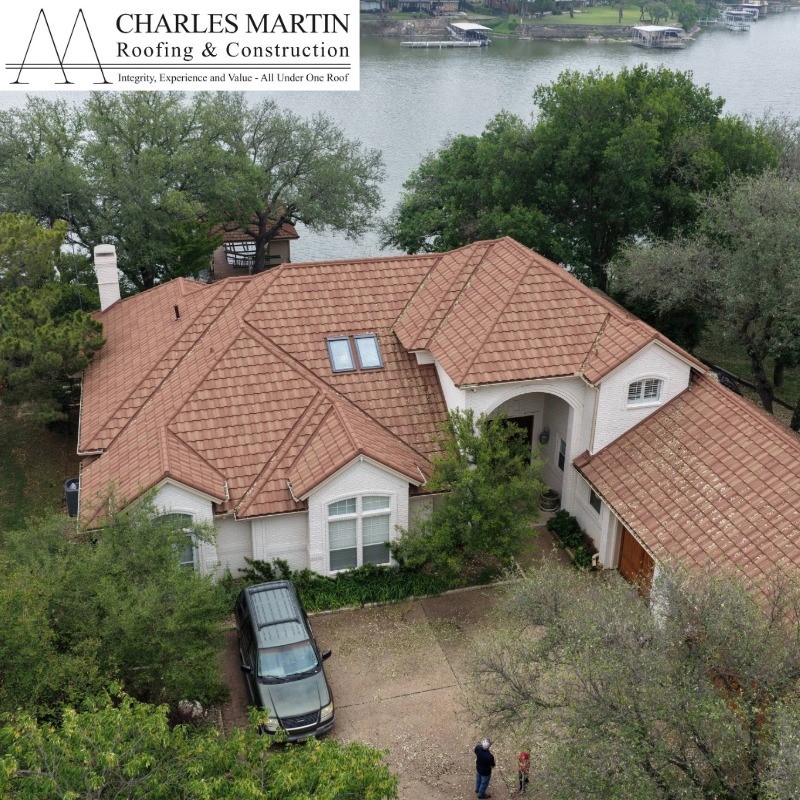
Charles Martin Roofing & Construction helps North Texas homeowners inspect stone-coated steel roofing, evaluate older Gerard-style roof systems, document storm damage, and understand repair or replacement options.
If you are unsure whether your stone-coated steel roof has cosmetic damage or something more serious, schedule an inspection with CMRC before small problems become expensive ones.