Charles Martin Roofing - The Look of Tile Without the Weight: Why Homeowners Are Choosing Stone-Coated Steel

The Look of Tile Without the Weight: Why Homeowners Are Choosing Stone-Coated Steel

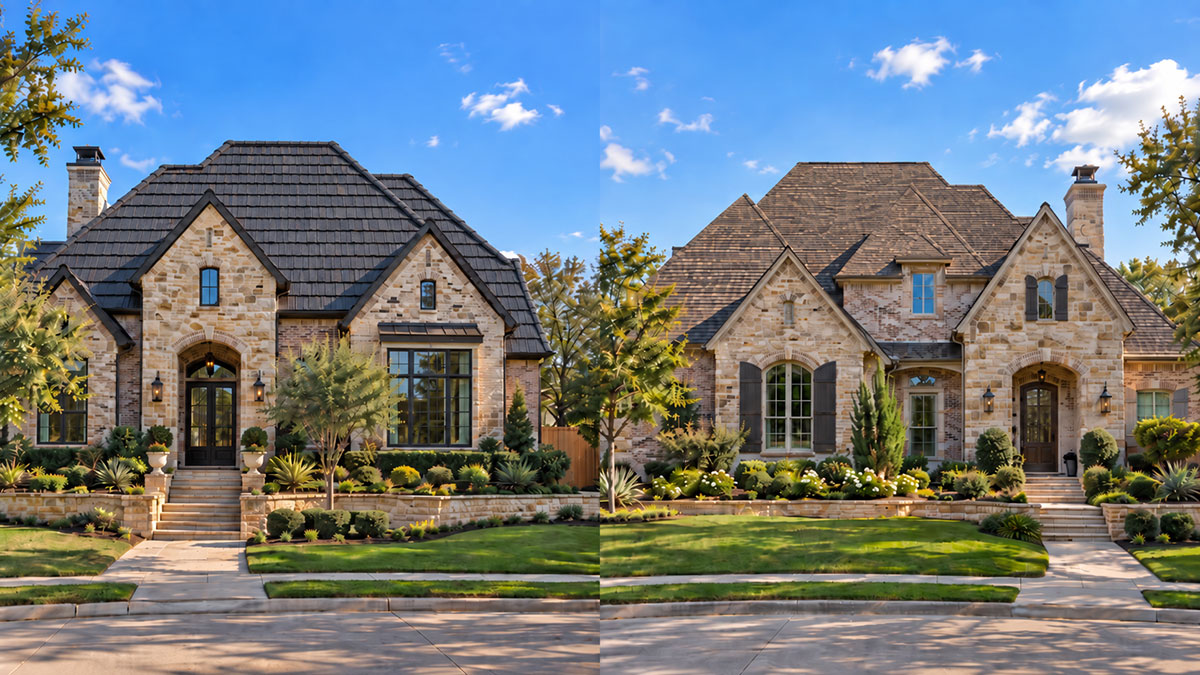
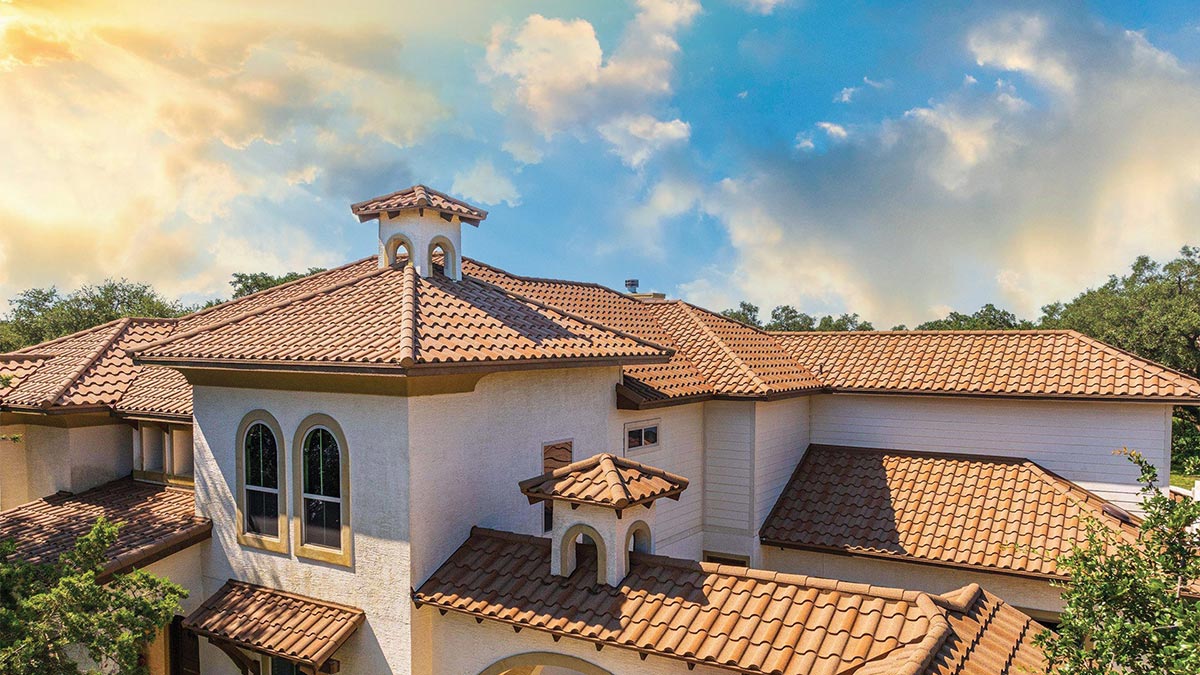
Tile roofing has a timeless look. It brings character, depth, and a high-end appearance that fits beautifully with many luxury homes throughout North Texas. In neighborhoods across Bedford, Colleyville, Southlake, and the greater DFW area, homeowners often love the look of tile but worry about the weight, cost, maintenance, and structural requirements that can come with traditional tile roofing.

That is one reason stone-coated steel roofing has become such an appealing option.

Stone-coated steel gives homeowners the ability to achieve a premium tile, shake, or dimensional roof appearance while using a lighter, highly durable metal roofing system. For homeowners who want curb appeal, storm performance, and long-term value, it can be a smart alternative to traditional tile or standard composition shingles.

What Is Stone-Coated Steel Roofing?

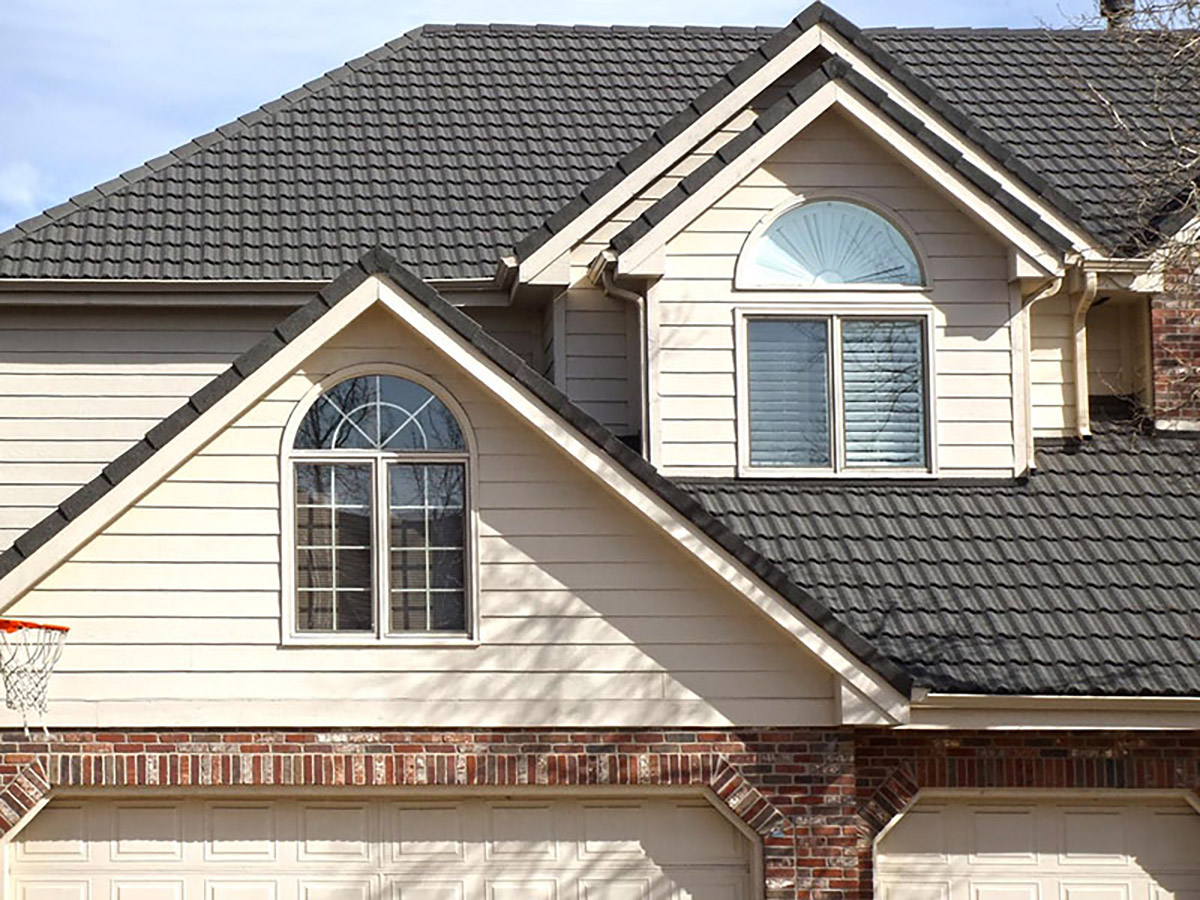
Stone-coated steel roofing is a metal roofing product designed to look like more traditional roofing materials. Instead of the smooth panels commonly associated with standing seam metal roofs, stone-coated steel is formed into profiles that can resemble tile, shake, slate, or architectural shingles.

The steel panel provides strength and structure, while the stone-coated finish gives the roof texture, color, and a more natural appearance. From the street, many stone-coated steel roofs have the rich, dimensional look homeowners associate with premium tile roofing.

For homeowners who like the beauty of tile but want a lighter and more practical roofing option, stone-coated steel offers an impressive middle ground.

The Problem with Traditional Tile Weight

Traditional clay or concrete tile can be beautiful, but it is heavy. Not every home is built to support that kind of roofing load without additional structural evaluation or reinforcement. For homeowners replacing an existing composition shingle roof, upgrading to traditional tile may not be as simple as choosing a new material and starting the installation.

The weight of the roof matters. A roofing system has to work with the structure of the home, not against it. That is especially important in North Texas, where homes may already be dealing with years of heat, storms, shifting soil, and normal aging.

Stone-coated steel allows homeowners to capture much of the visual appeal of tile without placing the same heavy load on the home. That can make it a more flexible option for homes that want a high-end roof appearance without the complications of a heavy tile system.

Built for North Texas Weather

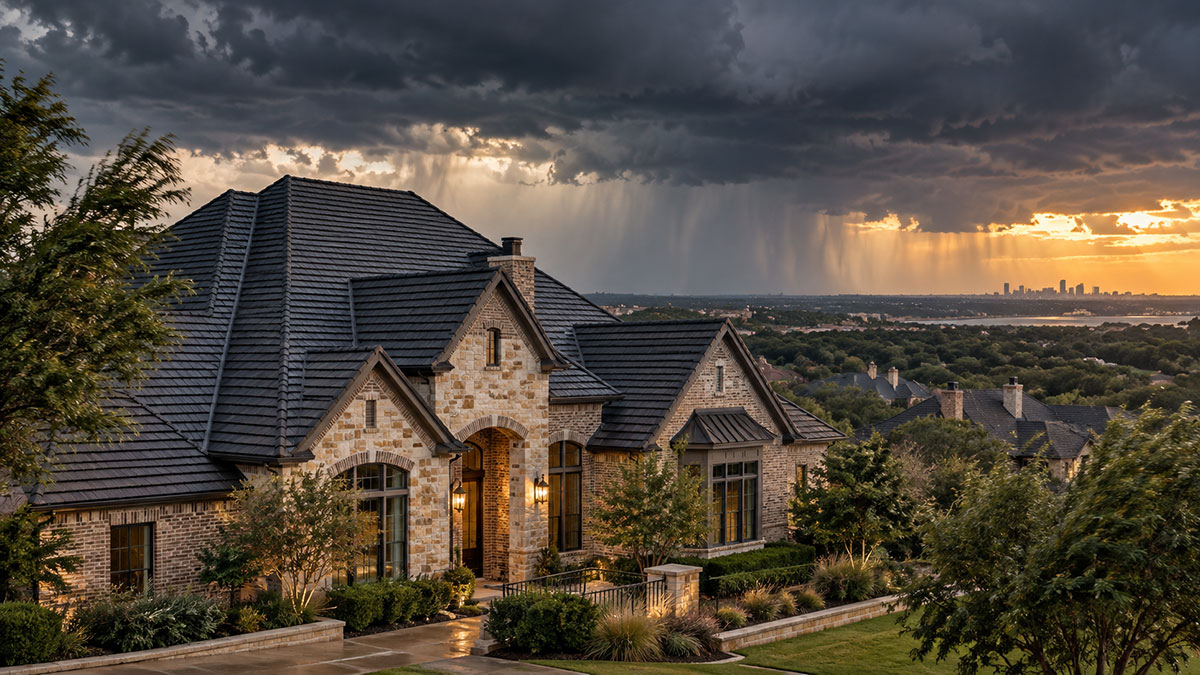
A roof in DFW has to do more than look good. It has to stand up to harsh summer heat, strong winds, heavy rain, and hailstorms. Homeowners in Bedford, Colleyville, Southlake, Grapevine, Keller, and surrounding communities understand that severe weather is part of life in North Texas.

Stone-coated steel roofing is attractive because it combines the strength of metal with the finished appearance of a premium residential roof. It is designed to handle real-world weather conditions while maintaining a polished look.

No roofing material is completely storm-proof, and any roof can be damaged by severe enough weather. However, stone-coated steel is often chosen by homeowners who want a roofing system with more durability than standard shingles and more flexibility than traditional tile.

Premium Curb Appeal

Curb appeal is one of the biggest reasons homeowners consider stone-coated steel. A roof makes up a major part of a home’s exterior appearance. The right roofing material can change the entire look of the property.

Stone-coated steel can complement brick, stone, stucco, and other exterior finishes commonly found in North Texas homes. It works especially well on homes where the owner wants a refined, custom, or estate-style look.

For homeowners in premium neighborhoods, the roof is not just a protective layer. It is part of the home’s architectural identity. A stone-coated steel roof can create a strong first impression while still offering practical performance advantages.

A Strong Alternative to Composition Shingles

Composition shingles remain a common roofing choice throughout DFW, and they can be a good fit for many homes. But for homeowners looking to upgrade, stone-coated steel offers a more premium option.

Compared with standard shingles, stone-coated steel can offer a more distinctive look, enhanced durability, and a longer-term roofing solution. It is often considered by homeowners who plan to stay in their home for years and want to invest in a system that feels more permanent.

This does not mean every home needs stone-coated steel. Budget, roof structure, design goals, neighborhood style, and long-term plans all matter. But when homeowners want something beyond a basic replacement, stone-coated steel deserves serious consideration.

A Good Fit During Roof Replacement

The best time to consider stone-coated steel is often during a roof replacement. If your current roof is aging, storm-damaged, or nearing the end of its useful life, you have an opportunity to rethink the entire roofing system.

Instead of replacing the roof with the same material, homeowners can compare composition shingles, standing seam metal, and stone-coated steel. This is also a good time to evaluate attic ventilation, flashing details, gutters, and other components that affect the roof’s performance.

A quality roof replacement is not just about the visible surface. It is about building a complete system that protects the home and fits the owner’s goals.

Installation Quality Matters

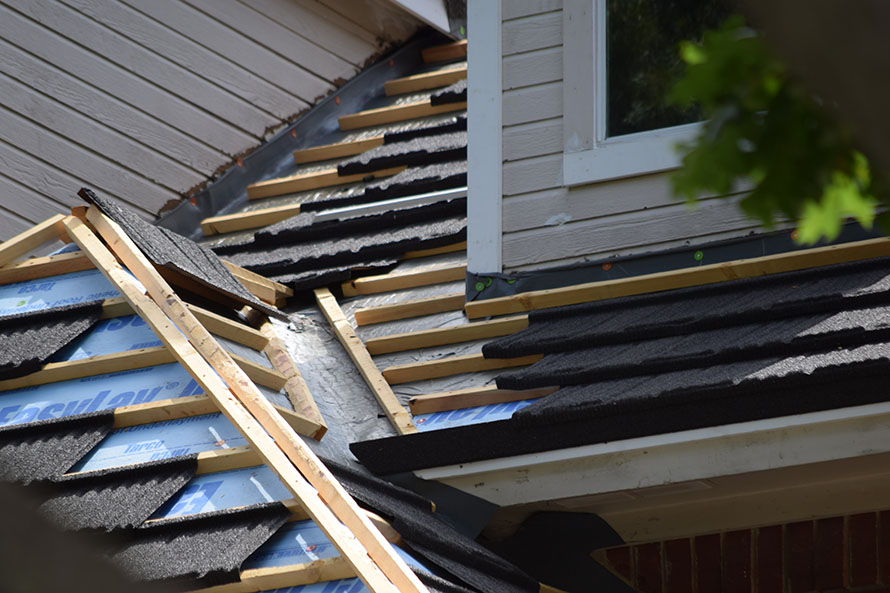
Stone-coated steel is a premium roofing product, but the quality of the installation matters just as much as the material itself. Proper fastening, flashing, ventilation, underlayment, trim, ridge details, and roof transitions are all important.

That is why homeowners should work with a contractor experienced in specialty roofing systems. A clean, properly installed stone-coated steel roof should look sharp, perform well, and integrate with the home’s architecture.

Charles Martin Roofing & Construction helps North Texas homeowners evaluate roofing options and choose materials that make sense for the home, the neighborhood, and the budget.

Is Stone-Coated Steel Right for Your Home?

Stone-coated steel may be a strong choice if you love the look of tile, want a lighter roofing system, and are looking for a premium upgrade over standard shingles. It may also be a good fit if you want a roof with strong curb appeal and long-term performance potential.

For homeowners in Bedford, Colleyville, Southlake, and the surrounding DFW area, this type of roof can offer the balance many people are looking for: beauty, strength, and practicality.

If you are considering a roof replacement or want to explore premium roofing options, contact Charles Martin Roofing & Construction. CMRC can inspect your current roof, explain your options, and help you decide whether stone-coated steel roofing is the right fit for your North Texas home.

Charles Martin Roofing installs Attic Breeze Solar Attic Ventilation Systems in North Texas DFW and surrounding areas

Beat the Texas Heat with Attic Breeze Solar Attic Ventilation Systems

North Texas summers are no joke. Homeowners in Bedford, Colleyville, Southlake, and across DFW know what it feels like when the temperature climbs, the sun bakes the roof, and the attic turns into one of the hottest spaces in the house.

That trapped attic heat can affect more than comfort. It can place added stress on your home’s cooling system, contribute to uncomfortable rooms, and expose roofing materials, decking, insulation, and attic components to extreme temperatures day after day.

One smart way to help manage attic heat is with a properly installed solar attic ventilation system. At Charles Martin Roofing & Construction, one option worth considering is an Attic Breeze Solar Attic Ventilation System.

Why Your Attic Gets So Hot in Texas

During the summer, your roof absorbs direct sunlight for hours at a time. That heat transfers into the attic space below. Without proper ventilation, hot air can build up and stay trapped, especially in homes with limited exhaust ventilation or inadequate intake airflow.

When attic heat is not managed properly, your home may feel warmer than it should, particularly in upstairs rooms or areas near the attic. Your air conditioning system may also have to work harder to maintain a comfortable indoor temperature.

Good attic ventilation helps hot air escape and allows fresh air to move through the attic. This does not replace insulation or a properly functioning HVAC system, but it can be an important part of a healthier, more efficient roofing and attic system.

What Is an Attic Breeze Solar Attic Ventilation System?

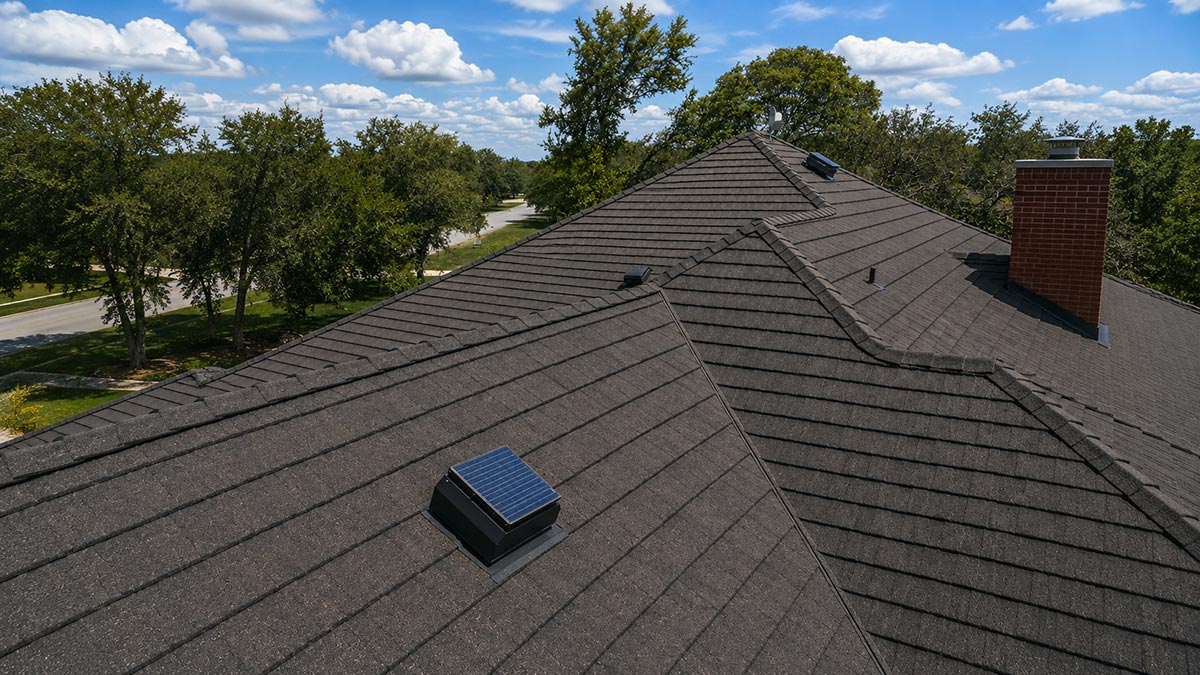
An Attic Breeze Solar Attic Ventilation System is a solar-powered attic fan designed to help move hot air out of the attic. Instead of relying on standard household electricity, the system uses solar power to operate during the day, when attic heat is often at its worst.

That makes it a natural fit for North Texas homes. On bright, hot days, the same sun that is heating up the roof can help power the ventilation system.

Attic Breeze systems are available in different configurations depending on the roof type, attic layout, and ventilation needs of the home. A professional roofing contractor can evaluate whether a solar attic fan is appropriate and how it should be installed.

The Benefits of Solar Attic Ventilation

The main goal of a solar attic ventilation system is to reduce heat buildup in the attic. By helping exhaust hot air, the system can support a more balanced attic environment.

For homeowners, that may mean better comfort in certain parts of the home, less extreme attic temperatures, and improved overall ventilation. It may also help reduce heat stress on roofing materials and attic components over time.

Solar attic ventilation can be especially useful in homes where the attic feels excessively hot, where upstairs rooms are difficult to cool, or where the roofing system would benefit from improved airflow.

It is important to understand that ventilation works best as part of a complete system. Intake vents, such as soffit vents, must be able to bring air into the attic so the fan can exhaust hot air effectively. If the attic does not have enough intake ventilation, the system may not perform as intended.

Why Installation Matters

A solar attic fan is not something homeowners should simply place anywhere on the roof. Proper placement, sizing, flashing, and ventilation balance all matter.

The goal is to move air through the attic in a controlled and effective way. That means considering roof pitch, attic size, existing vents, soffit intake, roof material, sun exposure, and the overall condition of the roof.

A poorly installed attic fan can create unnecessary roof penetrations, leak risks, or ventilation problems. A properly installed system should integrate cleanly with the roofing system and be placed where it can perform effectively.

That is why it makes sense to work with a roofing contractor that understands both roof installation and attic ventilation.

A Good Fit for Bedford, Colleyville, Southlake, and DFW Homes

Homes across the Mid-Cities and North Texas face intense heat, hail, wind, and rapid weather changes. Roofing systems in this area need to do more than look good. They need to perform.

For homeowners in Bedford, Colleyville, Southlake, and surrounding DFW communities, solar attic ventilation can be a practical upgrade during roof replacement, roof repair, or a broader home efficiency improvement project.

If you are already replacing your roof, that can be an ideal time to evaluate your attic ventilation. The roofing system is being opened, inspected, and upgraded, which gives your contractor a better opportunity to assess ventilation needs and recommend the right approach.

Solar Ventilation and Roof Longevity

Heat is one of the major enemies of roofing systems in Texas. Over time, extreme temperatures can contribute to wear on shingles, roof decking, underlayment, sealants, and attic materials.

Ventilation alone will not make a roof last forever, and it will not prevent storm damage. However, good attic airflow can help create a better environment under the roof. When combined with proper materials, quality installation, and routine inspections, ventilation can be part of a stronger long-term roofing strategy.

For homeowners investing in a new composition shingle roof, metal roofing system, or specialty roofing product, attic ventilation should not be overlooked.

Is an Attic Breeze System Right for Your Home?

Not every home needs the same ventilation solution. Some homes may already have adequate passive ventilation. Others may need improved intake, added exhaust, or a different approach based on the roof design.

The best first step is a professional inspection. Charles Martin Roofing & Construction can evaluate your current roof, attic ventilation, intake airflow, and overall roofing condition. From there, CMRC can help determine whether an Attic Breeze Solar Attic Ventilation System makes sense for your home.

Stay Cooler, Protect Your Roof, and Plan Ahead

Beating the Texas heat is not just about turning down the thermostat. It is about helping your home work better from the roof down.

An Attic Breeze Solar Attic Ventilation System can be a smart option for homeowners who want to reduce attic heat, improve ventilation, and support the long-term performance of their roofing system.

If your attic feels too hot, your upstairs rooms are hard to cool, or you are planning a roof replacement in Bedford, Colleyville, Southlake, or anywhere in the DFW area, contact Charles Martin Roofing & Construction. CMRC can inspect your roof, evaluate your attic ventilation, and help you decide whether solar attic ventilation is the right upgrade for your home.

Charles Martin Roofing & Construction - Discontinued Roofing Materials in DFW Area: What Homeowners Should Do Moving Forward

Discontinued Roofing Materials: What Homeowners Should Do Moving Forward

Discontinued Roofing Materials: What Homeowners Should Do Moving Forward

A damaged roof does not always mean the entire roofing system has reached the end of its useful life. In many cases, only a small section may need attention after wind, hail, fallen branches, or normal aging. However, what begins as a straightforward repair can become significantly more complicated when the original roofing material is no longer manufactured.

Discontinued roofing materials are increasingly common, especially on homes with older shingles, specialty metal panels, concrete or clay tiles, synthetic roofing products, and stone-coated steel systems. Manufacturers routinely update product lines, change colors, redesign profiles, merge product collections, or stop producing materials that no longer sell in sufficient volume.

When that happens, finding a replacement that properly matches the existing roof may be difficult—or impossible.

Why Roofing Products Are Discontinued

Roofing manufacturers discontinue products for many reasons. A particular color may fall out of demand, a shingle design may be replaced with a newer version, or an entire product line may be removed after manufacturing standards change.

In other cases, a manufacturer may close a plant, discontinue a brand, or redesign its fastening system. Even when a similar product remains available, small differences in size, thickness, texture, locking patterns, or color can prevent the new material from blending correctly with the existing roof.

The problem is not limited to roofing materials that are several decades old. Some materials can become unavailable within only a few years of installation.

Why an Exact Match Matters

A roofing repair should do more than cover a damaged area. The replacement material must integrate properly with the existing roofing system.

For asphalt shingles, the replacement should be compatible in size, exposure, thickness, fastening pattern, color, and overall appearance. For metal roofing, the panel profile, rib spacing, locking system, coating, and gauge may all matter. Tile roofs can be even more difficult because older tiles may have unique shapes or interlocking patterns.

Installing a material that is only “close enough” can create visible patchwork and may also affect the roof’s ability to shed water properly.

A mismatched repair may reduce curb appeal, complicate a future home sale, and create questions during an insurance or property inspection. In some cases, forcing an incompatible material into place can damage the surrounding roof or lead to leaks later.

Start With a Professional Inspection

The first step is to determine the full extent of the damage.

A qualified roofing contractor should inspect the affected section, surrounding materials, underlayment, flashing, ventilation components, and roof decking where accessible. The contractor should also identify the manufacturer, product line, approximate installation date, profile, and color of the existing roofing material.

Homeowners should avoid assuming that a few visibly damaged shingles represent the entire problem. Hail and wind damage can extend beyond the most obvious areas.

A detailed inspection helps determine whether the roof can be repaired responsibly or whether a larger replacement area should be considered.

Search for Existing and Salvaged Materials

A discontinued product may still be available through distributors, roofing suppliers, warehouse overstock, specialty material dealers, or salvage inventories.

Some contractors also maintain limited quantities of older materials removed from previous projects. These materials may occasionally work for minor repairs, although their condition must be carefully evaluated.

A material that has been stored poorly, exposed to moisture, faded in the sun, or damaged during removal may not be suitable for reuse.

Homeowners should also be cautious when purchasing discontinued roofing materials online. A similar-looking product may not have the same dimensions or installation requirements as the original material.

Document Everything

Documentation becomes especially important when storm damage and insurance claims are involved.

Photographs should clearly show the damaged roofing material, surrounding roof sections, product markings, and any attempted comparison samples. Contractors should document whether the original product remains available and explain why a proposed substitute may not provide a reasonable match.

Helpful records may include:

  • Inspection photographs
  • Manufacturer information
  • Product identification
  • Supplier availability statements
  • Sample comparisons
  • Repair estimates
  • Replacement recommendations

The homeowner should also keep copies of the original contract, warranty information, invoices, insurance correspondence, and previous inspection reports.

Review the Insurance Policy Carefully

Insurance coverage for discontinued or mismatched roofing materials varies by policy and jurisdiction.

Some policies may pay only for the directly damaged section. Others may provide broader coverage when an acceptable match cannot be obtained. Matching provisions, cosmetic damage exclusions, code upgrade coverage, deductibles, depreciation, and replacement-cost terms can all affect the outcome.

Homeowners should ask their insurance representative to explain the applicable policy language in writing. A roofing contractor can provide technical documentation, but questions about coverage and claim interpretation should be addressed by the insurance carrier or a qualified insurance professional.

Repair or Replace?

A repair may still be appropriate when compatible material can be found and the surrounding roof remains in good condition.

Replacement may be the better long-term decision when:

  • The material cannot be matched
  • The roof is nearing the end of its expected service life
  • Damage affects multiple slopes
  • Previous repairs have already created visible patchwork
  • The roofing system has recurring leaks
  • Replacement materials are structurally incompatible
  • Large sections must be disturbed to complete the repair

Replacing a larger roof section may cost more initially, but it can provide a more consistent appearance, stronger weather protection, improved warranties, and fewer repair concerns moving forward.

Plan Ahead With Today’s Roofing System

When selecting a replacement roof, homeowners should consider more than color and price.

Ask about the manufacturer’s product history, warranty support, regional availability, replacement components, and whether the material is widely distributed. Keep extra shingles, tiles, or metal panels after installation when practical. Store product names, color codes, invoices, photographs, and warranty documents in a safe place.

No roofing product is guaranteed to remain available forever. Good documentation and thoughtful material selection, however, can make future repairs much easier.

Discontinued roofing materials can turn a small repair into a complicated decision, but homeowners still have options. The key is to identify the existing system correctly, document the damage, investigate material availability, review insurance coverage, and choose a solution that protects both the roof and the long-term value of the home.

Cosmetic Damage vs. Structural Damage on Stone-Coated Steel Roofing

Stone-coated steel roofing is one of the strongest and most durable roofing options available for North Texas homes. It combines the strength of steel with the appearance of tile, shake, or shingle-style roofing, making it a popular choice for homeowners who want long-term performance without giving up curb appeal.

But after a hailstorm, wind event, falling debris, or years of exposure to Texas weather, homeowners often ask an important question:

Is the damage cosmetic, or is it something more serious?

That distinction matters. Cosmetic damage may affect how the roof looks. Structural or functional damage may affect how the roof performs, how it sheds water, how it resists future storms, or whether the underlying roof system has been compromised.

For homeowners with stone-coated steel roofing, including older Gerard-style systems, understanding the difference can help you make better decisions about inspections, repairs, insurance conversations, and replacement options.

What Is Cosmetic Damage?

Cosmetic damage is damage that changes the appearance of the roof but does not appear to affect the roof’s ability to protect the home.

On a stone-coated steel roof, cosmetic damage may include:

  • Minor dents or dimples in the panels
  • Small surface marks from hail
  • Light scuffing in the stone coating
  • Slight discoloration or visible impact marks
  • Minor granule disturbance that does not expose or compromise the metal panel
  • Small aesthetic imperfections that do not affect water shedding

Cosmetic damage can still be frustrating for a homeowner, especially on a premium roofing system. A roof is a major part of the home’s appearance, and visible damage can affect curb appeal.

However, cosmetic damage does not automatically mean the roof has failed.

The key question is whether the panel, coating, fasteners, flashing, seams, interlocks, underlayment, decking, or other parts of the roofing system have been affected.

What Is Functional or Structural Damage?

When people say “structural damage” after a storm, they may be referring to a few different things. In roofing, it helps to separate the issue into two categories:

Functional damage means the roof covering or roof system may no longer perform as intended.

Structural damage means the supporting structure beneath the roof may be affected, such as decking, framing, rafters, or other load-bearing components.

On a stone-coated steel roof, functional or structural concerns may include:

  • Punctures or tears in the metal panels
  • Cracks, splits, or openings that can allow water intrusion
  • Exposed steel where the protective surface has been compromised
  • Distorted panels that no longer interlock correctly
  • Lifted, shifted, or loosened panels
  • Damaged fasteners or fastening points
  • Bent or displaced flashing
  • Damage around vents, chimneys, skylights, valleys, or roof penetrations
  • Evidence of leaks inside the attic or home
  • Soft, rotted, or compromised roof decking
  • Storm damage that affects the roof’s ability to shed water

This type of damage should be taken seriously. Even if the roof is not leaking today, functional damage can create weak points that may lead to future leaks, moisture problems, or accelerated roof deterioration.

Why Stone-Coated Steel Requires a Trained Inspection

Stone-coated steel roofing is different from standard asphalt shingles. Damage is not always obvious from the ground, and not every dent tells the full story.

A trained inspection should look beyond the surface.

The inspector should evaluate:

  • The depth and location of hail impacts
  • Whether the stone coating has been removed or weakened
  • Whether metal is exposed
  • Whether panels are bent, lifted, or separated
  • Whether interlocking edges are still properly seated
  • Whether flashing and penetrations are secure
  • Whether there are signs of water entry
  • Whether the roof deck or attic shows signs of moisture
  • Whether older panels are still repairable or matchable

This is especially important for older Gerard-style stone-coated steel roofs. Many North Texas homes still have legacy stone-coated steel systems that were installed years ago. In some cases, small repairs may be possible. In other cases, the age of the system, product availability, panel condition, or storm damage may make replacement a better long-term option.

Why Cosmetic Damage Still Deserves Attention

Even when damage appears cosmetic, it is still worth documenting.

Minor dents or surface marks may not require immediate replacement, but they can help establish a record of storm impact. If future problems develop, that documentation may matter.

A roof inspection after a hailstorm can help determine:

  • Whether the damage is only visual
  • Whether the protective coating has been compromised
  • Whether the roof has hidden weak points
  • Whether the damage is isolated or widespread
  • Whether the roof should be monitored, repaired, or replaced
  • Whether an insurance claim should be considered

Homeowners should avoid assuming that a stone-coated steel roof is fine simply because there is no active leak. Many roofing problems begin before water shows up on the ceiling.

What Insurance Companies May Look For

Insurance policies vary, and every claim is different. Some policies may treat certain types of visible damage as cosmetic if the roof is still performing. Other policies may respond differently if the damage affects the function of the roof system.

That is why documentation matters.

A proper inspection should include clear photos, storm-date information when available, notes about the affected slopes, and a description of whether the damage appears cosmetic, functional, or potentially structural.

CMRC does not replace the role of your insurance carrier, adjuster, or policy language. However, we can help homeowners understand what we see on the roof, document visible damage, and explain whether the roof appears to need repair, replacement, or further evaluation.

Signs Your Stone-Coated Steel Roof Needs an Inspection

Schedule an inspection if you notice any of the following:

  • Hail recently hit your neighborhood
  • You see dents or impact marks on the roof
  • Granules or stone coating appear to be missing
  • Panels look shifted, lifted, or uneven
  • Flashing appears bent or loose
  • You see water stains inside the home
  • Your attic shows signs of moisture
  • You have an older Gerard-style stone-coated steel roof
  • You are unsure whether the roof can be repaired
  • You need help understanding replacement alternatives

North Texas weather can be hard on every roofing system. Hail, heat, wind, and age can all affect how a roof performs over time.

Repair, Replacement, or Replacement Alternative?

Not every damaged stone-coated steel roof needs to be replaced. Some roofs may only need minor repairs, flashing work, panel adjustments, or continued monitoring.

But replacement may be the better option when:

  • Damage is widespread
  • Panels are no longer sealing or interlocking properly
  • Matching replacement panels are difficult to find
  • The roof has repeated leak issues
  • The protective surface has been compromised across multiple areas
  • The system is older and nearing the end of practical service
  • A modern stone-coated steel or metal roofing alternative would provide better long-term value

For homeowners with older Gerard-style roofs, CMRC can help evaluate whether repair is realistic or whether a modern stone-coated steel or metal roofing system would be a better fit.

The Bottom Line

Cosmetic damage affects appearance. Functional damage affects performance. Structural damage affects the supporting roof system beneath the surface.

With stone-coated steel roofing, the difference is not always obvious from the ground. A roof may look only slightly dented while hiding damage around seams, fasteners, flashing, penetrations, or panel edges. On the other hand, some visible marks may be mostly cosmetic and not require immediate replacement.

The safest first step is a professional inspection.

Charles Martin Roofing & Construction helps North Texas homeowners inspect stone-coated steel roofing, evaluate older Gerard-style roof systems, document storm damage, and understand repair or replacement options.

If you are unsure whether your stone-coated steel roof has cosmetic damage or something more serious, schedule an inspection with CMRC before small problems become expensive ones.

Metal Roofing vs Composition Shingles in North Texas

Metal Roofing vs Composition Shingles in North Texas

Metal Roofing vs. Composition Shingles: Which Is Better for Bedford, Colleyville, and Southlake Homes?

For homeowners in Bedford, Colleyville, Southlake, and across North Texas, choosing the right roofing system is about more than picking a color or style. Your roof has to handle hail, wind, heavy rain, intense summer heat, and sudden weather changes. It also needs to fit the look of your home and your long-term plans for the property.

Two of the most common choices for DFW homeowners are composition shingles and metal roofing. Both can be good options, but they serve different needs. The best choice depends on your budget, your home’s style, your expectations for durability, and how long you plan to stay in the home.

Charles Martin Roofing & Construction works with homeowners throughout the DFW area to help them compare roofing options and choose a system that makes sense for their home.

Composition Shingles: The Familiar Roofing Choice

Composition shingles are one of the most widely used roofing materials in North Texas. Many homes in Bedford, Colleyville, Southlake, and surrounding neighborhoods already have composition shingle roofs because they are familiar, cost-effective, and available in many colors and styles.

A composition shingle roof can provide a clean, traditional look that works well with many home designs. For homeowners who need a reliable roof replacement without moving into a premium roofing category, composition shingles are often the first option to consider.

Modern shingles also come in different grades. Some are basic three-tab shingles, while others are architectural or impact-rated shingles with a heavier, more dimensional appearance. This gives homeowners more flexibility than they may realize.

Benefits of Composition Shingles

Composition shingles are popular for several reasons. They are generally more affordable upfront than many metal roofing systems. They are also widely available, familiar to most roofing crews, and relatively easy to repair when damage is limited to a specific section.

For many homeowners, composition shingles offer a good balance of price, appearance, and performance. If the home is being prepared for sale, if the budget is the primary concern, or if the homeowner wants a traditional look, composition shingles may be the right fit.

Another benefit is style variety. Architectural shingles can add depth and curb appeal without changing the overall character of the home. For many DFW neighborhoods, that makes them a practical and attractive choice.

Things to Consider with Composition Shingles

While composition shingles are common, North Texas weather can be hard on them. Hail, high winds, extreme heat, and repeated storms can shorten the life of a roof, especially if the shingles are older or have already experienced damage.

Granule loss, lifted shingles, cracking, bruising, and missing shingles are all issues homeowners may see over time. In severe weather areas, homeowners may want to consider higher-quality shingles or impact-rated options when replacing a roof.

Composition shingles can still be a smart choice, but it is important to understand that not all shingles are the same. A professional roofing contractor can explain the differences between standard shingles, architectural shingles, and impact-rated products.

Metal Roofing: A Premium Option for Long-Term Performance

Metal roofing has become more popular among North Texas homeowners who want a durable, long-lasting roofing system. Metal roofs can offer strong performance, a distinctive appearance, and long-term value when installed properly.

There are several types of metal roofing, including standing seam metal, R-panel metal, and stone-coated steel systems. Each has a different look, price point, and application. Some metal roofs have a sleek modern appearance, while stone-coated steel options can resemble shingles, tile, or shake.

For homeowners in Colleyville, Southlake, Bedford, and other DFW communities, metal roofing can be especially appealing when the goal is to upgrade the home rather than simply replace the existing roof.

Benefits of Metal Roofing

Metal roofing is known for durability. A properly installed metal roofing system can stand up well to harsh weather, shed water effectively, and provide a long service life. Many homeowners also like the energy-efficiency potential of metal roofing, especially in hot climates like North Texas.

Metal roofs can also improve curb appeal. Standing seam metal can give a home a clean, high-end look, while stone-coated steel can provide a more traditional appearance with added strength and longevity.

Another advantage is long-term value. Although metal roofing usually costs more upfront than composition shingles, many homeowners view it as an investment in the home. If you plan to stay in your home for many years, the longer lifespan and reduced replacement frequency may make metal roofing worth considering.

Things to Consider with Metal Roofing

The biggest concern for many homeowners is upfront cost. Metal roofing is typically more expensive than composition shingles, and the final price depends on the type of system, roof complexity, installation requirements, and material selection.

Installation quality is also extremely important. Metal roofing requires proper fastening, flashing, ventilation, and detailing. A poorly installed metal roof can create problems even if the material itself is high quality.

Homeowners should also think about the look they want. Some homes are a natural fit for standing seam or stone-coated steel, while others may look better with architectural shingles. The right contractor can help you compare samples and choose a roofing style that fits your home’s design.

Storm Performance in North Texas

Storm performance is one of the biggest reasons DFW homeowners compare metal roofing and composition shingles. North Texas roofs are regularly exposed to hail, wind, and heavy rain. No roofing system is completely immune to severe weather, but some materials may perform better than others depending on the storm.

Composition shingles can be damaged by hail impacts, especially as they age. Impact-rated shingles may provide better resistance than standard shingles, but they can still be affected by severe hail.

Metal roofing can offer strong weather performance, but it also depends on the system. Some metal roofs may dent during hailstorms, while stone-coated steel systems may provide a different kind of impact resistance and visual appearance. Because there are multiple types of metal roofing, homeowners should compare specific products rather than assuming all metal roofs are the same.

Curb Appeal and Home Style

The right roof should protect the home, but it should also look right. In neighborhoods across Bedford, Colleyville, and Southlake, curb appeal matters. A roof can have a major impact on the overall look of the property.

Composition shingles offer a familiar residential look and work well with many brick, stone, and siding combinations. Architectural shingles can add depth and a more premium appearance without changing the home’s style too dramatically.

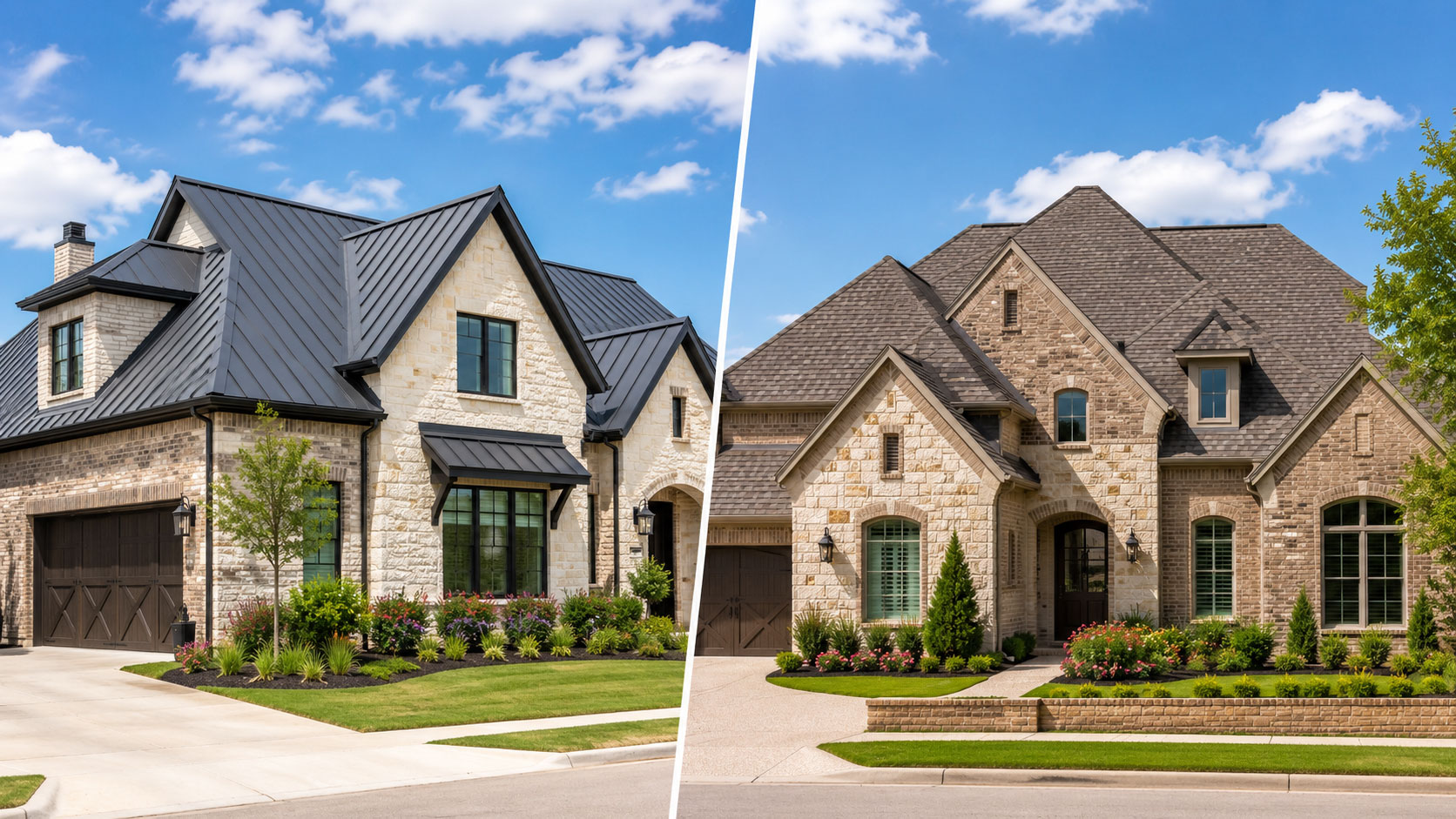
Metal roofing can create a more distinctive look. Standing seam metal is often associated with modern, farmhouse, and high-end custom homes. Stone-coated steel can give homeowners the strength of metal while preserving a more traditional appearance.

Cost vs. Long-Term Value

When comparing roofing systems, homeowners should look at both upfront cost and long-term value. Composition shingles usually cost less at the time of installation, which can make them the practical choice for many homeowners.

Metal roofing usually costs more upfront, but it may offer greater long-term durability and fewer full replacements over time. For homeowners planning to stay in the home long term, metal roofing may be worth the larger initial investment.

There is no one-size-fits-all answer. The better choice depends on your goals. If you need a dependable roof at a lower upfront cost, composition shingles may make sense. If you want a premium upgrade with long-term performance, metal roofing may be the stronger option.

Which Roofing Option Is Right for Your Home?

A composition shingle roof may be right for you if you want a traditional appearance, a lower upfront cost, and a widely used roofing system that fits most DFW homes.

A metal roof may be right for you if you want a premium roofing system, long-term durability, strong curb appeal, and an upgrade that can set your home apart.

The most important step is getting a professional evaluation of your current roof and a clear comparison of your options. Your home’s roof pitch, structure, ventilation, neighborhood style, and budget all matter.

Talk to Charles Martin Roofing & Construction

Charles Martin Roofing & Construction helps homeowners in Bedford, Colleyville, Southlake, and the surrounding DFW area compare composition shingles, metal roofing, and specialty roofing systems.

Whether you are replacing an aging roof, dealing with storm damage, or considering a premium upgrade, CMRC can inspect your roof, explain your options, and help you choose a roofing system that fits your home.

If you are deciding between metal roofing and composition shingles, contact Charles Martin Roofing & Construction to schedule a roof inspection and roofing consultation.

Charles Martin Roofing - Roof Repair vs Replacement

Roof Repair vs Total Replacement

When deciding between a complete replacement of your roof versus a roof repair, sometimes the decision can be self-evident. If you’ve sprung a leak on an otherwise new looking roof, chances are having your roof repaired is the appropriate decision. However, if your roof looks old and worn, and it’s starting to give you problems, a total roof replacement may be the wiser decision.

For residences, the five most common roofing material options are asphalt, metal, slate, tile, and wood. Each of these materials can be either repaired or replaced when damage occurs, but their individual characteristics and life expectancy will play a huge role in which is the most cost-effective route for you!

  • Asphalt Shingles are easily the most popular roofing material choice in the nation. While cheap, dependable, and easy to install, asphalt shingles are also one of the least durable options on the market.
  • Wood Roofing is not near as popular as it once was. Though its aesthetic appearance is second to none, wood roofing materials are more expensive than asphalt and require more maintenance than most other roofing materials.
  • Metal Roofing is gaining popularity as a roofing material. Though older metal roofing was rightfully accused of being noisy during rain showers, subject to rust, and a poor insulator, today’s metal roofing provides homeowners with an excellent balance of affordability and durability.
  • Tile Roofing is extremely popular in certain areas of the country. Very expensive and very durable, tile roofing is an investment that will not only make your home more attractive, but raise its value, as well.
  • Slate Roofing is pretty much the alpha and omega of roofing material options. When it comes to durability, nothing can match it; its appearance isn’t for everyone, and whole it has been known to last for more than 100 years, its incredibly high price tag makes slate a material that most homeowners find cost-prohibitive.

Some roofing material choices are better candidates for repair than others. With slate and tile roofs, replacement is almost never the best choice. Unless your slate or tile roof is more than 70 years old, there’s a good chance that even extensive repair will be a better investment than installing an entirely new roof. On the flipside, with a wood roof has fallen into disrepair or been damaged enough to require extensive work, the best option might not only be replacement, but replacement with a different type of material.

Asphalt roofs may be the hardest decision yet, when your trying to decide between repair and total replacement. While it may be the easiest patch up, it can also age much more rapidly than other types of roofing materials.

No matter what materials your roof is currently made of, it is always a good idea to have a professional inspect your roof for you and give you some options to consider.

If you would like a FREE professional inspection of your roof, please contact Charles Martin & Son Roofing. We would be happy to send out a roofing tech to inspect your roof and give you a free quote.

Charles Martin & Son Roofing
817.554.2261

Decra xd metal roof in colleyville Texas 76034 Dallas Fort Worth HEB

Advantages of Stone-Coated Steel Roofing

Roofs, like most things, don’t last forever. Sooner or later, they need to be replaced. If you wait too long to replace your roof, serious damage can accrue, which can be very expensive to fix. Of course, replacing your roof can be a sizable investment as well. That’s why we recommend doing your research and consulting with a professional in your area.

If you’re looking to make the investment, and you want something that is going to be not only aesthetically pleasing but also last a very long time… consider Stone-Coated Steel.

The Advantages of Steel

Steel roofs typically last a very long time, anywhere from 40-70 years on average, and they usually come with a 50-year warranty. Steel effectively seals out moisture to prevent problems like mold, mildew, and rot. Steel roofing can be designed to look like other materials that are considered more traditional or aesthetically pleasing, such as asphalt, slate, shake, cedar, or clay. This means you can have a roof that’s both beautiful and tough enough to withstand the elements. Steel is also fire resistant and virtually maintenance free.

What is stone-coated steel?

Stone-coated steel is a popular type of steel roofing. It’s incredibly strong, weather resistant, and durable. A stone-coated steel roof can withstand winds up to 120 mph. Stone-coated steel panels are installed in an interlocking pattern, which is how they can withstand extreme weather conditions and not blow off as easily as basic asphalt shingles. The overlapping pattern also creates a pocket of air that acts as an extra layer of insulation for the home. This can increase the home’s energy efficiency, making it more comfortable year-round. Stone-coated steel also reflects sunlight instead of absorbing it into the home and defends against UV radiation.

If you’d like to learn more about the advantages of Stone-Coated Steel roofing, call or email your Charles Martin Roofing consultant for a free evaluation and information booklet.

Decra villa metal tile install in colleyville Texas 76034

Real World Savings with DECRA Stone-Coated Steel

Is your roof energy efficient? Determining the particular contribution of the roof to the energy efficiency of a home is not an exact science. Other factors can affect the overall energy efficiency such as: windows, doors, attic insulation, and number of residents.

Here’s a real-world example of a homeowner’s energy savings using a DECRA Villa Tile – Stone-Coated Steel Roofing System in Sacramento, CA.

The homeowner had an existing grey concrete tile roof installed on battens. Concrete tile can require continued maintenance as it ages. Wanting to move away from a concrete tile roof, they installed a DECRA Villa Tile roof direct to the deck. They chose Pompeii Ash because it was close to the color of the original tile and they wanted to maintain the overall appearance of the home.

No changes were made in the venting method between the two installations. Subsequent to the installation, the homeowner contacted DECRA with 4 years of data (2006 to 2009) summarizing  the number of kilowatt hours used during the 5 hottest  months in Northern California: June, July, August,  September and October.

Some variables were noted by the homeowner throughout the 4 years – the number of children at home and instances of humidity; the average  daily temperature during the 4 years was consistent with  only a couple of outlying temperatures in 2006 and 2009.

An unexpected benefit was realized after installing the  product in April 2007. As compared to 2006 when they had a concrete tile roof, there was a 15% lower use of  kilowatt hours with the DECRA Villa Tile.

Decra metal roof install in colleyville Texas 76034

Benefits of Stone-Coated Steel Roofing

When considering whether a stone-coated steel roof is right for you and your family, consider the following features, benefits, and advantages.

One of the reasons for the growing popularity of stone-coated steel roofs, is the wide variety of styles and designs available to homeowners who are looking to add some curb appeal to their home. From the distinctive beauty and richness of cedar shake, to the elegance and architectural detail of an old-world Italian tile, stone-coated steel offers homeowners a wide variety to choose from. At just a fraction of the cost of slate or clay tiles, you can have a beautiful, long lasting roofing system that will provide superior protection for your home, with none of the structural disadvantages of other roofing materials.

Unlike other roofing materials, a stone-coated steel roof offers superior durability and longevity. It will not break, curl, split, crack, warp, or absorb water. The interlocking design of the roof panels makes it resistant to heavy rain, hail, freeze/thaw cycles, snow and wind uplift, continuing to look fresh and new for many years to come without requiring any additional maintenance.

Stone-coated steel roofs are formed into three main profiles: shake, tile and shingle. In recent years, new tile designs that mirror the highly desirable look of Mediterranean clay tile have also become available to homeowners. Advanced technology makes it possible to imitate the premium look of clay, slate or architectural shingle so closely, that it is nearly impossible to discern that the stone-coated tile is actually made of metal.

A stone – coated steel roof is designed to protect your home even in times of major calamities such as hail, fire, and earthquakes. The roof is made of steel, it is non-combustible and will not catch on fire.

Decra metal roof install in colleyville Texas 76034

DECRA – The Original Stone-Coated Steel

DECRA is the original stone coated steel roofing system. The DECRA product line represents a perfect blending of over 50 years of research and practical experience. Offering the ultimate in performance and engineering design is what DECRA roofing systems are all about. DECRA Roofing Systems are made in the U.S.A.

DECRA Roofing Systems has a captivating history dating back to World War II. Frequent bombings on British soil by the German Luftwaffe produced an urgent need to reconstruct many buildings quickly and easily out of makeshift materials. While corrugated metal provided a quick remedy to reconstruct damaged buildings, evening bombing raids continued to be menacing. The Luftwaffe dropped flairs to help illuminate the bombing runs. The British government had to find a company to develop an alternative protective coating material. Industrial chemists from the Decra Spray Company of Kent , England alleviated the problem by developing an emulsion coating.

Throughout the war this coating protected valuable food storage depots that were critical to achieving victory. In the years following the war, various attempts were made to remove the functional coating, which had served its purpose. But, the coating had bonded with the steel so well that removal was virtually impossible. With evidence that the underlying metal had been well preserved, many re-evaluated it’s potential for commercial and eventually residential use.

Over the years, DECRA Roofing Systems has made advancements in production, styles, color, and installation methods, but the product’s origins will forever remain an ingenious solution that has benefited people around the world for over 50 years.


DECRA® SHAKE

DECRA Shake offers the distinctive beauty and richness of cedar shake while providing durability and longevity. This superior product is available in a diverse range of colors guaranteed to complement any color scheme.

DECRA® SHAKE XD®

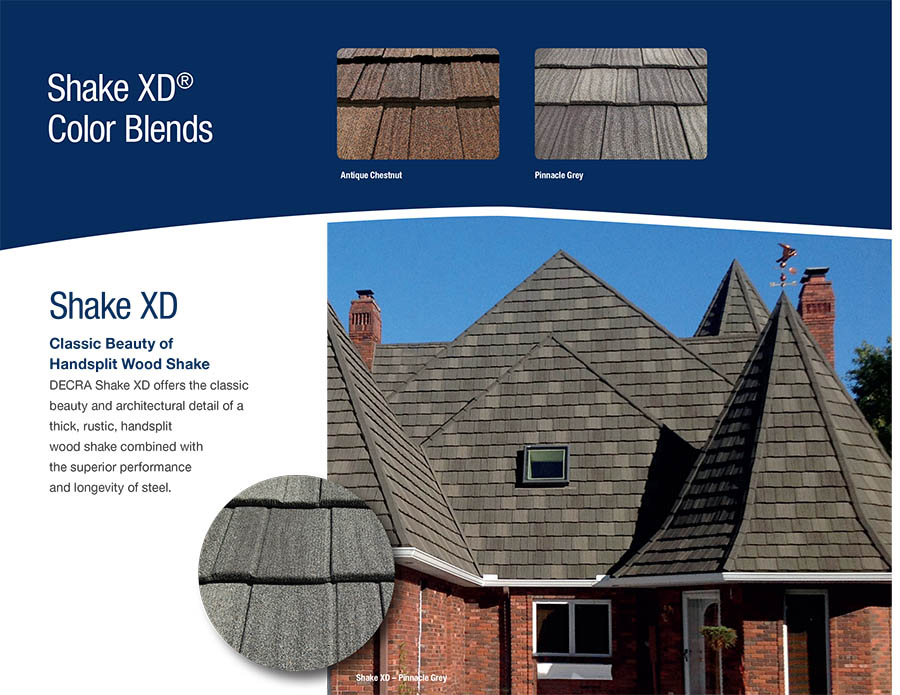
DECRA Shake XD, emulating the classic beauty and architectural detail of a thick, rustic, hand-split wood shake, has a unique hidden fastening system and is installed direct to deck.

DECRA® TILE

DECRA Tile, offering the beauty and style of Mediterranean tile, adds a unique elegance to any home. With a long-standing reputation for performance, longevity and versatility, it is an ideal, lightweight alternative to traditional tile products.

DECRA® VILLA TILE

A unique and premium offering, DECRA Villa Tile features the classic beauty, elegance and architectural detail of an old-world Italian tile. Durable, lightweight and a true barrel tile, Villa Tile outclasses the competition. It’s an excellent alternative to clay and concrete tile in areas where freeze-thaw weathering is present.

DECRA® SHINGLE XD®

DECRA Shingle XD has the rich, bold appearance of a heavyweight architectural shingle at a fraction of the weight. With its thick-cut edges and deep, distinctive shadow lines, DECRA Shingle XD provides greater dimensionality and a robust appearance. This profile adds wonderful appeal to traditionally styled homes and is ideal to those who prefer the look of heavy-cut wood shingles.