
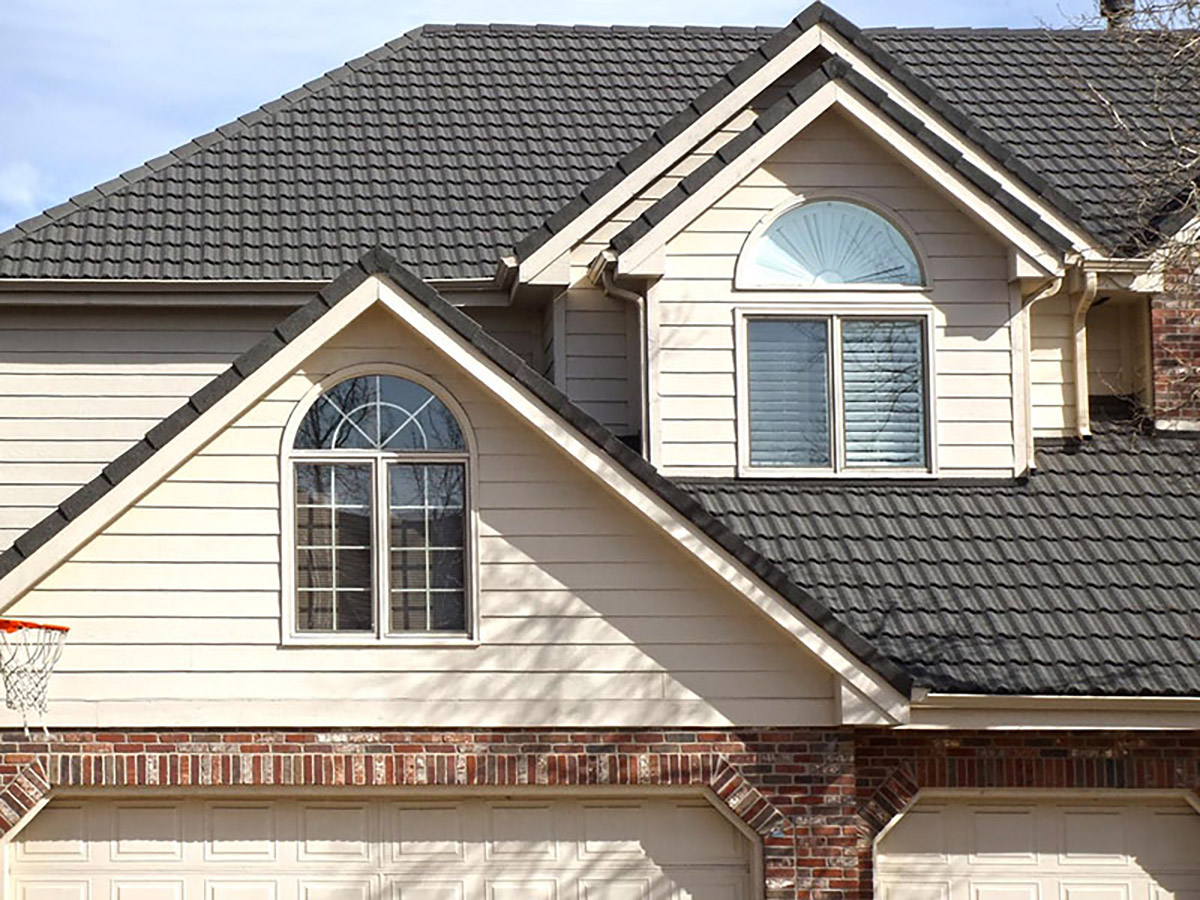
Discontinued Roofing Materials: What Homeowners Should Do Moving Forward
Discontinued Roofing Materials: What Homeowners Should Do Moving Forward
A damaged roof does not always mean the entire roofing system has reached the end of its useful life. In many cases, only a small section may need attention after wind, hail, fallen branches, or normal aging. However, what begins as a straightforward repair can become significantly more complicated when the original roofing material is no longer manufactured.
Discontinued roofing materials are increasingly common, especially on homes with older shingles, specialty metal panels, concrete or clay tiles, synthetic roofing products, and stone-coated steel systems. Manufacturers routinely update product lines, change colors, redesign profiles, merge product collections, or stop producing materials that no longer sell in sufficient volume.
When that happens, finding a replacement that properly matches the existing roof may be difficult—or impossible.
Why Roofing Products Are Discontinued
Roofing manufacturers discontinue products for many reasons. A particular color may fall out of demand, a shingle design may be replaced with a newer version, or an entire product line may be removed after manufacturing standards change.
In other cases, a manufacturer may close a plant, discontinue a brand, or redesign its fastening system. Even when a similar product remains available, small differences in size, thickness, texture, locking patterns, or color can prevent the new material from blending correctly with the existing roof.
The problem is not limited to roofing materials that are several decades old. Some materials can become unavailable within only a few years of installation.
Why an Exact Match Matters
A roofing repair should do more than cover a damaged area. The replacement material must integrate properly with the existing roofing system.
For asphalt shingles, the replacement should be compatible in size, exposure, thickness, fastening pattern, color, and overall appearance. For metal roofing, the panel profile, rib spacing, locking system, coating, and gauge may all matter. Tile roofs can be even more difficult because older tiles may have unique shapes or interlocking patterns.
Installing a material that is only “close enough” can create visible patchwork and may also affect the roof’s ability to shed water properly.
A mismatched repair may reduce curb appeal, complicate a future home sale, and create questions during an insurance or property inspection. In some cases, forcing an incompatible material into place can damage the surrounding roof or lead to leaks later.
Start With a Professional Inspection
The first step is to determine the full extent of the damage.
A qualified roofing contractor should inspect the affected section, surrounding materials, underlayment, flashing, ventilation components, and roof decking where accessible. The contractor should also identify the manufacturer, product line, approximate installation date, profile, and color of the existing roofing material.
Homeowners should avoid assuming that a few visibly damaged shingles represent the entire problem. Hail and wind damage can extend beyond the most obvious areas.
A detailed inspection helps determine whether the roof can be repaired responsibly or whether a larger replacement area should be considered.
Search for Existing and Salvaged Materials
A discontinued product may still be available through distributors, roofing suppliers, warehouse overstock, specialty material dealers, or salvage inventories.
Some contractors also maintain limited quantities of older materials removed from previous projects. These materials may occasionally work for minor repairs, although their condition must be carefully evaluated.
A material that has been stored poorly, exposed to moisture, faded in the sun, or damaged during removal may not be suitable for reuse.
Homeowners should also be cautious when purchasing discontinued roofing materials online. A similar-looking product may not have the same dimensions or installation requirements as the original material.
Document Everything
Documentation becomes especially important when storm damage and insurance claims are involved.
Photographs should clearly show the damaged roofing material, surrounding roof sections, product markings, and any attempted comparison samples. Contractors should document whether the original product remains available and explain why a proposed substitute may not provide a reasonable match.
Helpful records may include:
- Inspection photographs
- Manufacturer information
- Product identification
- Supplier availability statements
- Sample comparisons
- Repair estimates
- Replacement recommendations
The homeowner should also keep copies of the original contract, warranty information, invoices, insurance correspondence, and previous inspection reports.
Review the Insurance Policy Carefully
Insurance coverage for discontinued or mismatched roofing materials varies by policy and jurisdiction.
Some policies may pay only for the directly damaged section. Others may provide broader coverage when an acceptable match cannot be obtained. Matching provisions, cosmetic damage exclusions, code upgrade coverage, deductibles, depreciation, and replacement-cost terms can all affect the outcome.
Homeowners should ask their insurance representative to explain the applicable policy language in writing. A roofing contractor can provide technical documentation, but questions about coverage and claim interpretation should be addressed by the insurance carrier or a qualified insurance professional.
Repair or Replace?
A repair may still be appropriate when compatible material can be found and the surrounding roof remains in good condition.
Replacement may be the better long-term decision when:
- The material cannot be matched
- The roof is nearing the end of its expected service life
- Damage affects multiple slopes
- Previous repairs have already created visible patchwork
- The roofing system has recurring leaks
- Replacement materials are structurally incompatible
- Large sections must be disturbed to complete the repair
Replacing a larger roof section may cost more initially, but it can provide a more consistent appearance, stronger weather protection, improved warranties, and fewer repair concerns moving forward.
Plan Ahead With Today’s Roofing System
When selecting a replacement roof, homeowners should consider more than color and price.
Ask about the manufacturer’s product history, warranty support, regional availability, replacement components, and whether the material is widely distributed. Keep extra shingles, tiles, or metal panels after installation when practical. Store product names, color codes, invoices, photographs, and warranty documents in a safe place.
No roofing product is guaranteed to remain available forever. Good documentation and thoughtful material selection, however, can make future repairs much easier.
Discontinued roofing materials can turn a small repair into a complicated decision, but homeowners still have options. The key is to identify the existing system correctly, document the damage, investigate material availability, review insurance coverage, and choose a solution that protects both the roof and the long-term value of the home.